 India
 World
 Entertainment
 Sports
 Chhattisgarh
 Haryana
 Delhi
 Religious
 Business
 Tech & Auto
 Education
 Health
 Andhra Pradesh
 Telangana
 Sikkim
 Odisha
 Jharkhand
 Assam
 Nagaland
Face-off with China at several places on the Arunachal border
ITBP is preparing a special commando battalion
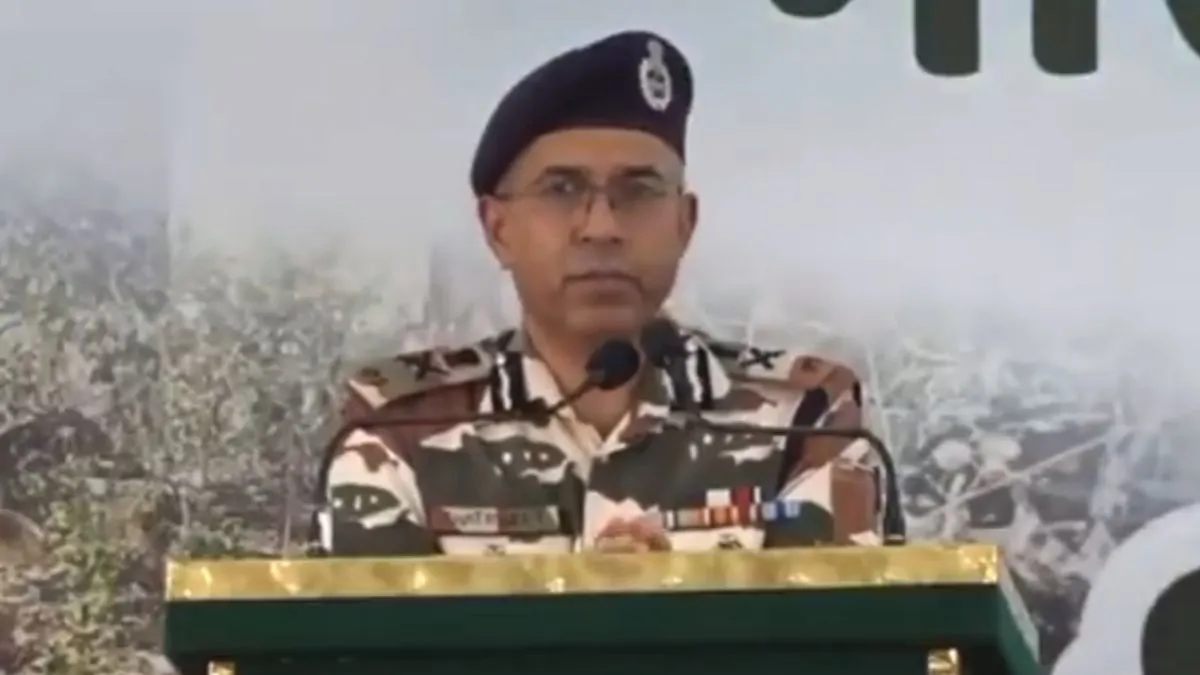
There have been reports of face-offs between Indo-Tibetan Border Police (ITBP) personnel and Chinese People's Liberation Army (PLA) troops at several places along the India-China border in Arunachal Pradesh. ITBP Director General Shatrujeet Singh Kapoor gave this information while addressing the troops at a felicitation ceremony held ahead of the force's 65th Raising Day on October 22. He said that some such situations arising on the border still persist. Kapoor praised the performance of the special combat team 'Shaurya Commando' formed for working effectively in face-to-face situations with Chinese troops. He said that these teams deployed in Arunachal Pradesh have displayed remarkable skills in challenging conditions.
Preparations to form a commando company in every battalion
In response to changing border conditions and operational needs, the ITBP is working to comprehensively develop its commando capabilities. According to the Director General, one commando team has already been formed in each battalion of the force, while the process of raising two additional teams is underway. Long-term plans include establishing a full-fledged commando company in each battalion. Furthermore, the creation of a separate battalion dedicated solely to special commando operations is also under consideration. Kapoor stated that the ITBP's Operations Wing is drafting this proposal, and its outline is expected to be finalized in the next day or two. These units are planned to be developed as the force's unique identity in the future.
The changing face of drone warfare, aiming to create units in every platoon
Highlighting the growing role of drones in modern warfare, the ITBP chief stated that this technology has profoundly altered traditional warfare strategies. Drones are now becoming increasingly important in activities such as surveillance, target identification, and strikes, forcing security forces to adapt their tactics and capabilities. To this end, the ITBP is working on a plan to establish a drone unit in each platoon. The force is also expanding its drone manufacturing capabilities and training drone pilots. Kapoor also hinted that plans to establish a separate "Strike Corps" may be underway in the future to strengthen the force's preparedness for special operations.
Lessons learned from the Russia-Ukraine war, technology said to be important
Citing China's military and its investments in military and media capabilities, Kapoor said Beijing has made significant progress in conventional warfare. However, according to him, modern technology like drones can help narrow the gap in military power to some extent. Citing the example of the long-running war between Russia and Ukraine, he said that even a relatively small country can inflict serious damage on a larger military power with the help of technology and new strategies. Ukraine's experience indicates the changing nature of warfare. Kapoor also mentioned Iran, saying that current conflicts have highlighted changes in the methods of military operations.
Emphasis on modernization by 2030, priority for drones and anti-drone systems
Discussing the ITBP's modernization plans, the Director General stated that the force is expected to receive increased financial resources by 2030. Under the proposed plans, approximately ₹1,000 crore is planned for the development and procurement of drone and anti-drone systems. Furthermore, modern vehicles and equipment will be developed to facilitate the movement of troops in difficult and rugged terrain. This includes all-terrain vehicles, autonomous ground vehicles, and quick reaction vehicles. The force is also exploring the possibility of modernizing its ammunition and other military resources to enhance its operational capabilities in line with changing security challenges.
Divergent claims along the LAC could lead to conflict.
Due to differing understandings between India and China regarding the Line of Actual Control (LAC), face-offs have frequently arisen in the border areas. A Corps Commander-level meeting was also held between the Indian and Chinese armies in September. According to sources, the Indian Army has adopted a tough stance regarding the behavior of Chinese troops in areas where new issues have recently emerged. The two countries have previously held Corps Commander-level talks at the Chushul-Moldo border meeting point in the Ladakh sector to reduce border disputes and tensions. The situation in Arunachal Pradesh and the ITBP's plans to develop new commando and technical capabilities are considered significant in the context of changing border security needs.